
CORRECTION — Nov. 21, 2026: When this story was published Friday morning, it said there had been no ruling yet in the lawsuit over the EPA permit. In fact, the U.S. Court of Appeals for the Eighth Circuit issued an administrative stay of the permit at 9:04 p.m. Thursday, November 19, pausing the detonation until the court rules on the emergency motion. Monday's detonation is on hold under that stay. UPDATE — Nov. 23, 2026: the Justice Department told the court late Saturday that the Army intends to detonate under a separate emergency authority that does not require the EPA permit, and on Sunday asked the court to lift the stay; Sunday evening, the Army moved the detonation to Wednesday, November 25. The permit remains frozen and the court has not ruled — the Army says the blast goes ahead Wednesday, permit or no permit.
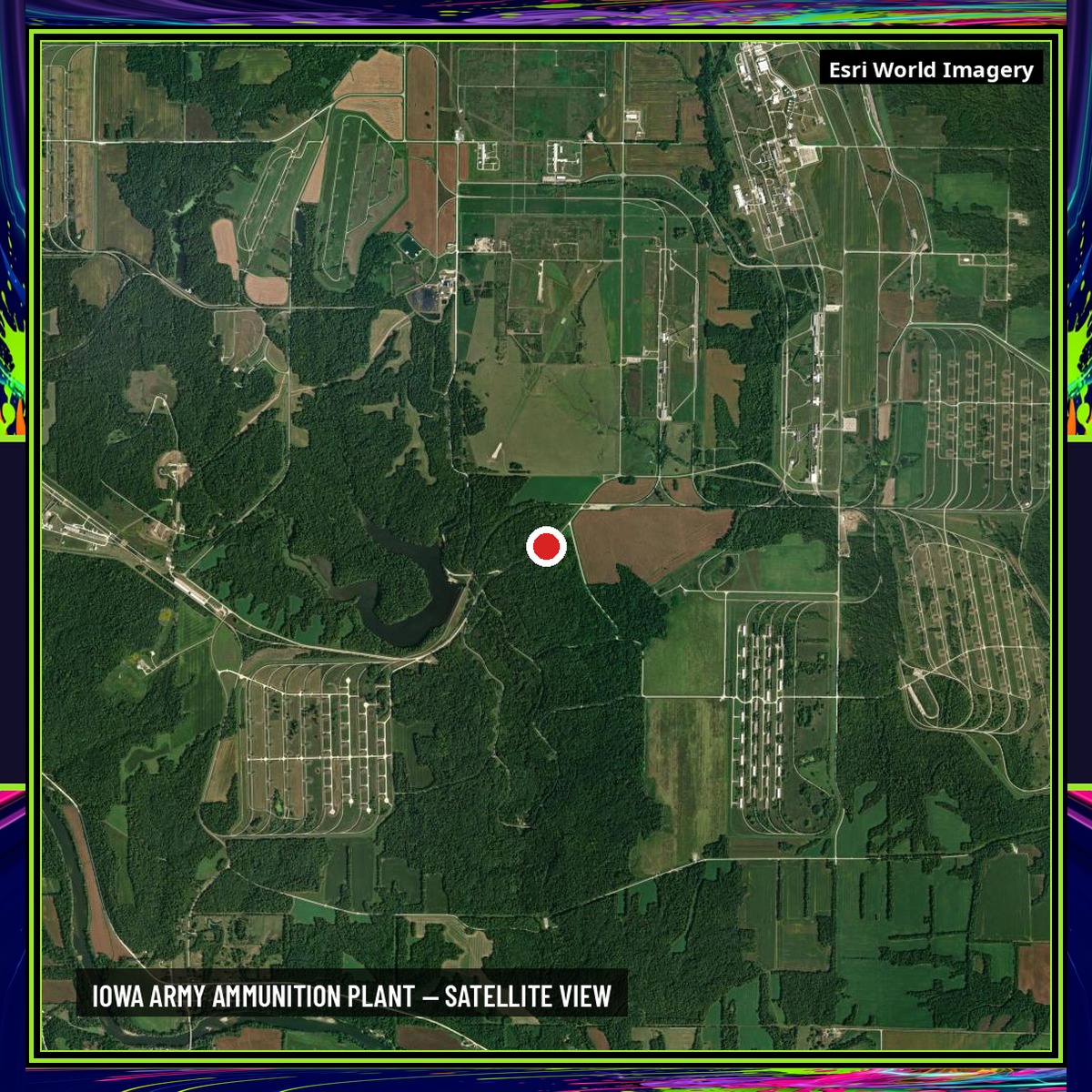
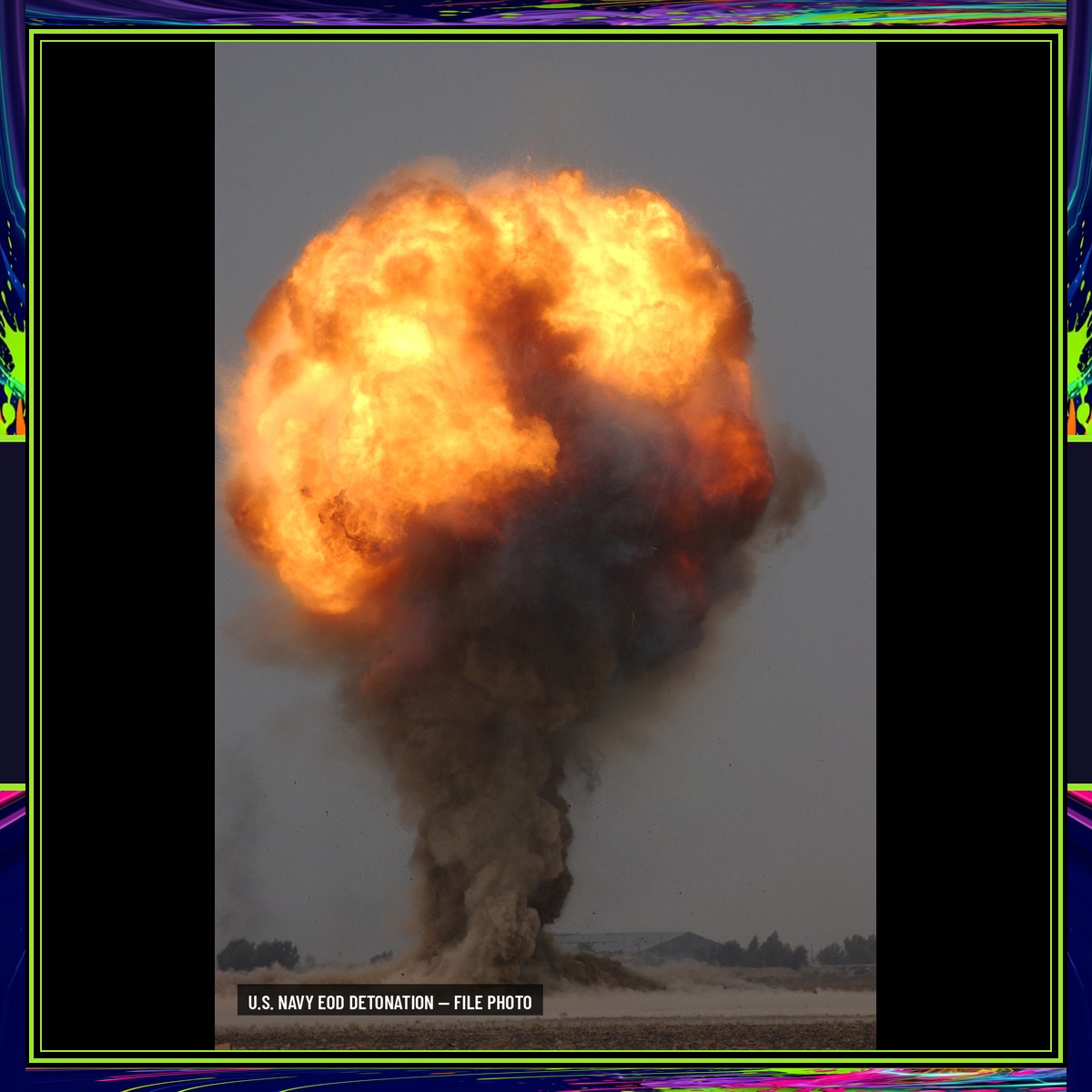
The U.S. Army planned to set off two controlled detonations on Friday, November 20, at the Iowa Army Ammunition Plant in Middletown, destroying 68 barrels of degraded lead azide — more than 9,500 pounds of a primary explosive used in detonators. On Thursday night, the Army postponed the detonation to Monday, November 23, after days of public protest across southeast Iowa.
Acting Secretary of the Army Adam Telle, in the Army's published statement: "Public safety is the Army's top priority, and I have directed Army Materiel Command to postpone tomorrow's controlled detonation at the Iowa Army Ammunition Plant in Middletown, Iowa until Monday, November 23."
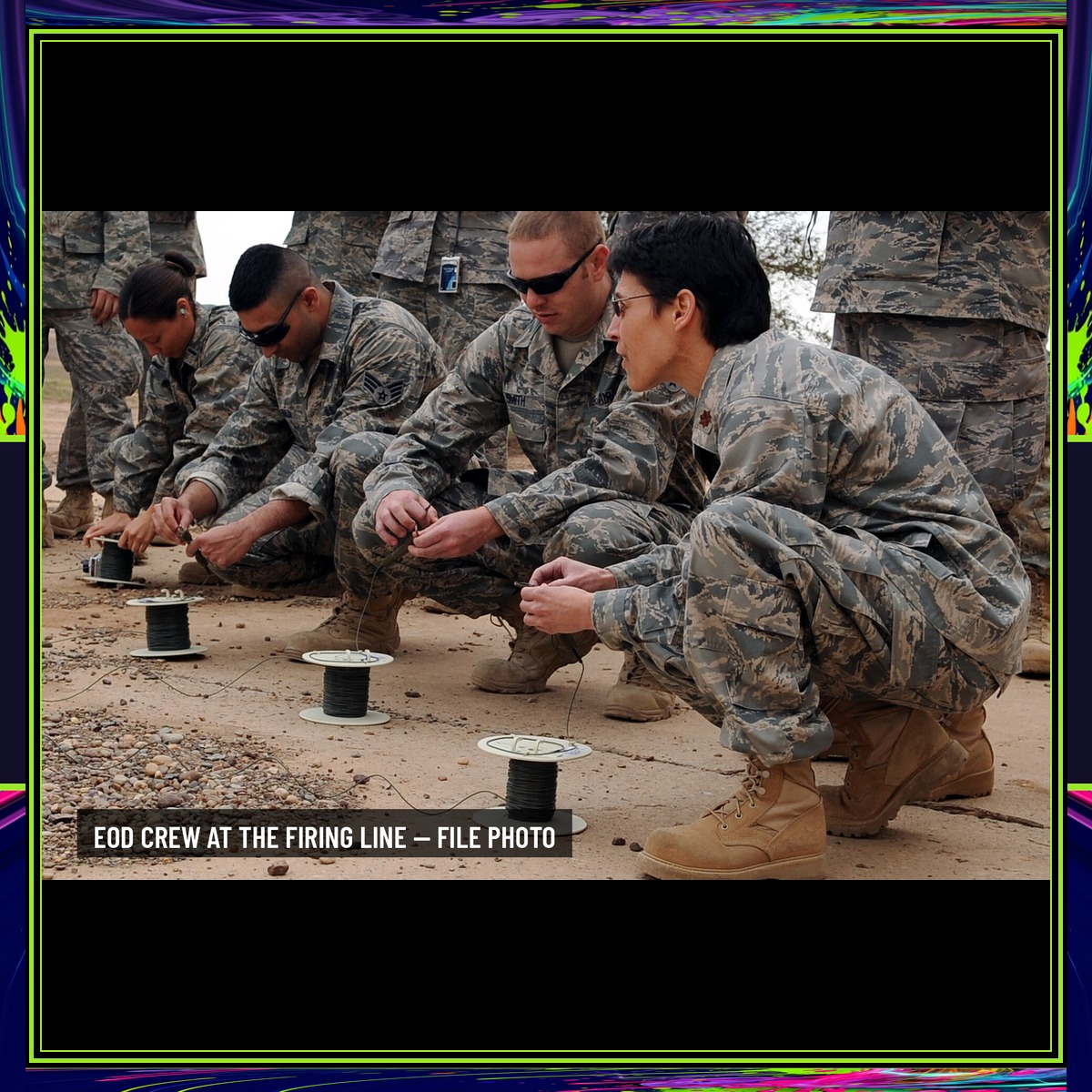
The lead azide had been stored for roughly 20 years in earth-covered concrete magazines under a water-and-alcohol bath. A March 2026 inspection found it had dried out and recrystallized into needle-like crystals sensitive to friction or shock. The Army and the EPA concluded it cannot be safely moved; the EPA issued an emergency permit on November 13, with monitoring, sampling and cleanup requirements running through February 11, 2027.
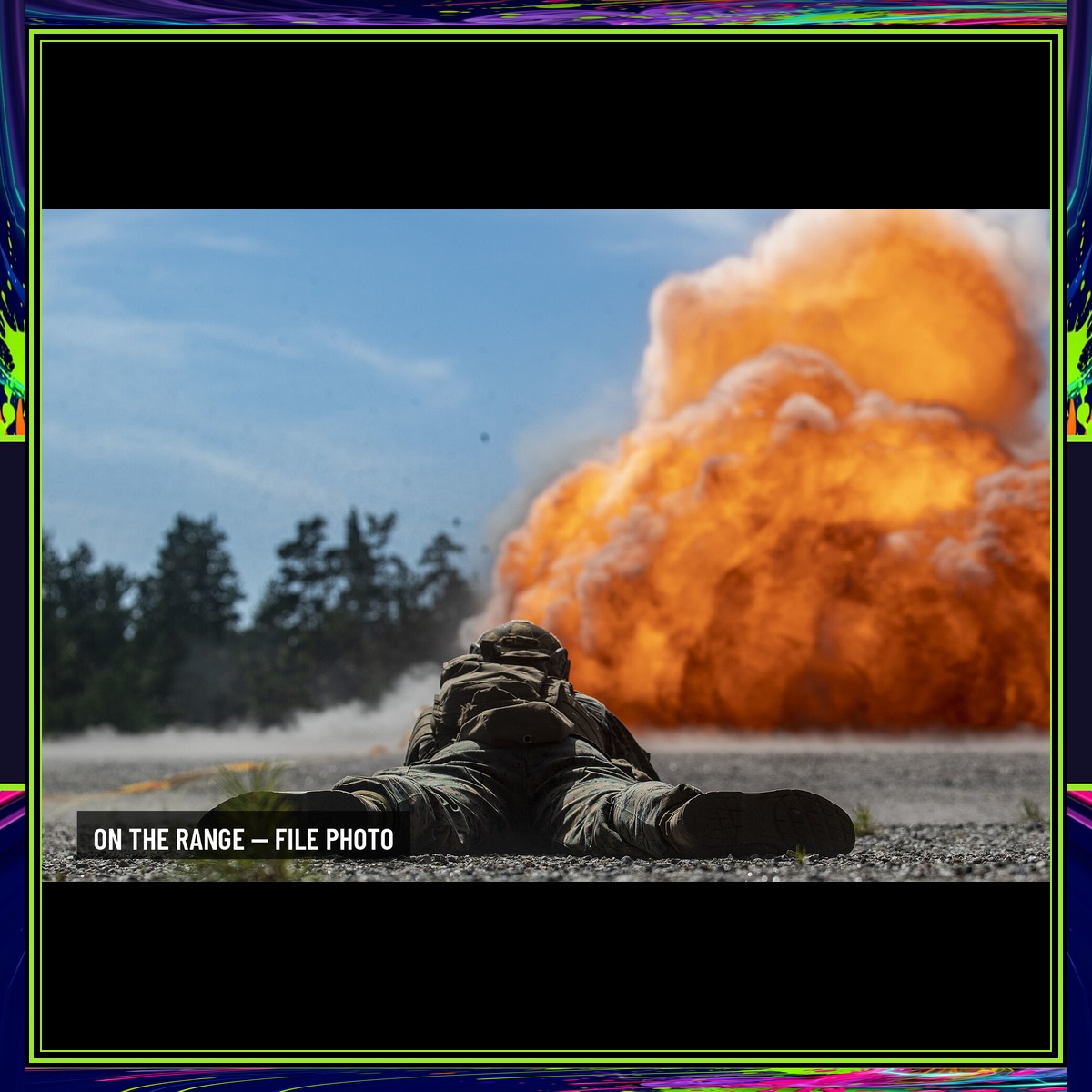
Under the Army's published plan, the detonations would occur inside the magazines behind sand-filled barriers about two stories high, with saturated soil, misters, perimeter air monitors, and soil and air sampling. The advisory warned of loud noise, ground vibration, possible window damage near Middletown City Park and Butterfly Park, and a lead-dust plume whose modeling showed airborne lead possibly reaching 100 miles northeast. Residents nearest the plant were told to leave from 8 a.m. to 2 p.m.; five school districts closed for the day.
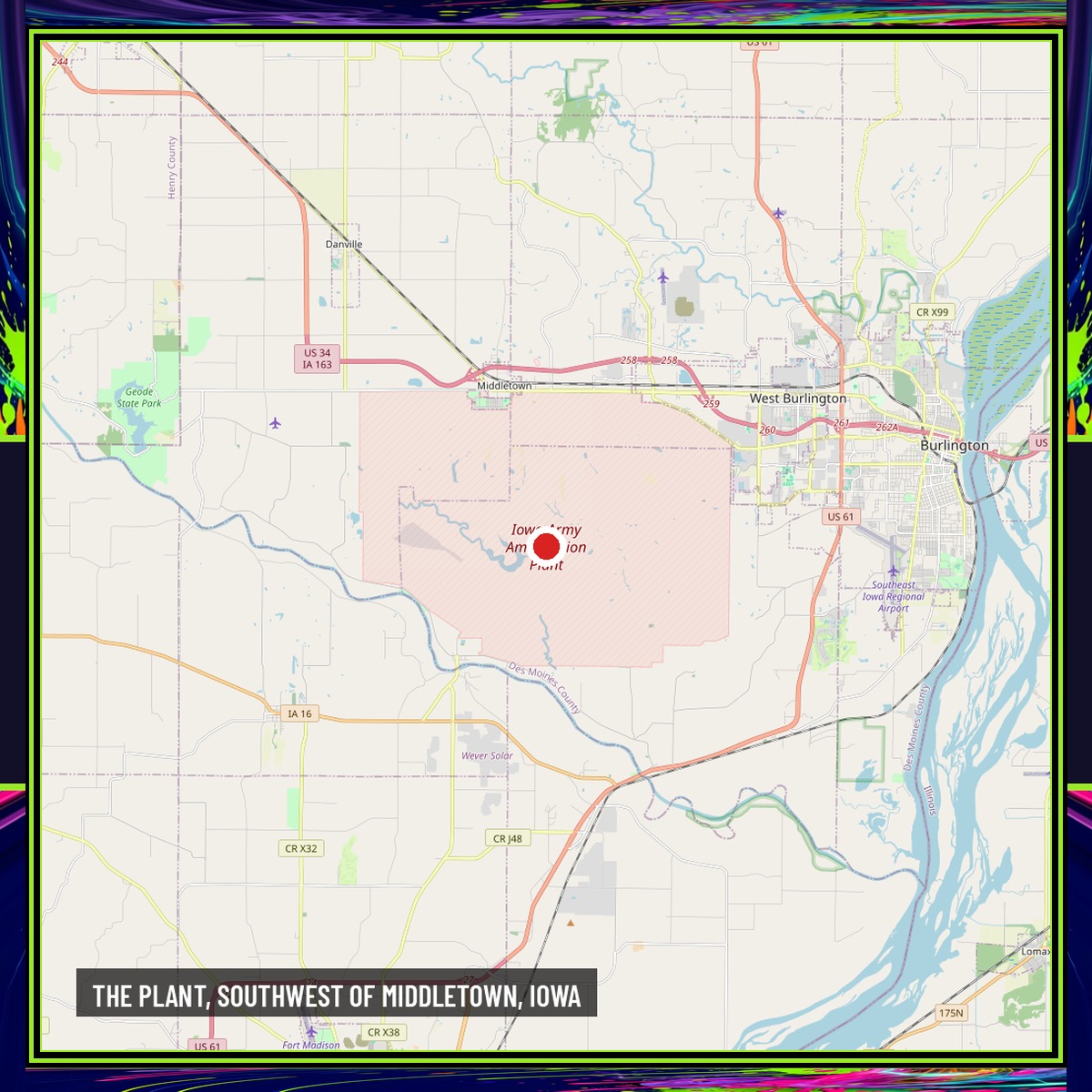
The timeline is the heart of the public anger: the condition was found in March, but the public advisory and plume maps were released November 15, five days before the blast. Governor Kim Reynolds said her office learned of the plan November 16; she asked Telle for the delay on Thursday. The Sierra Club Iowa Chapter and the Iowa Environmental Council have sued in the 8th U.S. Circuit Court of Appeals to stay the permit. The court issued an administrative stay of the permit at 9:04 p.m. Thursday, November 19, pausing the detonation until it rules on the emergency motion; Monday's detonation was on hold under that stay. The Army has since told the court it intends to proceed under a separate emergency authority without the permit, asked the court to lift the stay, and moved the detonation to Wednesday, November 25; as of Monday morning, November 23, the court has not ruled.
On risk: the Army's own modeling shows airborne lead possibly reaching up to 100 miles northeast, with heavier deposition in a roughly 10-mile-wide strip. Lead is a neurotoxin with no safe exposure level for children, inorganic lead compounds are classified as probably carcinogenic by the International Agency for Research on Cancer, and lead does not degrade in soil. Outcomes depend on the detonations proceeding as modeled and on Monday's winds; critics argue the residual possibility of a wider or heavier fallout is exactly why independent post-blast testing matters.

Iowa voices driving the story include Cedar Rapids creator Luke Alexander Brooks, whose video holding up the Army's plume maps drew more than 130,000 likes, and Jill Holler, a farm owner near Middletown who organized Wednesday's protest outside the facility and says a three-day delay is not enough.
Claims circulating online that the detonation was cancelled, that it is still happening Friday, or that officials issued no notice are not accurate: it was postponed, officials published advisories and opened a shelter, and the governor intervened — the documented criticism is that all of it came late.
Sources: U.S. Army public advisory (army.mil/article/296772) and postponement statement (army.mil/article/296926); Reuters; USA Today; Des Moines Register; CNN.